
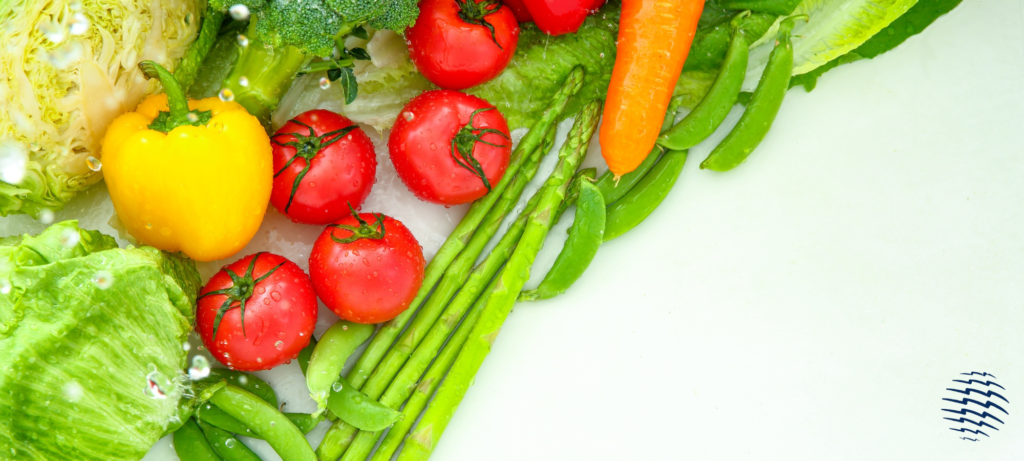
Guyana vegetables are not just something you throw into a pot and forget about. They are part of daily rhythm, family meals, village markets and honestly, national identity. From cassava and eddoes to bora, boulanger and bundles of fresh pak choi, vegetables in Guyana shape how people cook and eat in a very grounded way. Walk through any early morning market and you’ll see what I mean. Pumpkins lined up on wooden stalls, bora tied neatly in bunches, vendors trimming spinach leaves while chatting about last night’s rain. It’s simple. But it carries weight.
Over the years, Guyana has gained quiet international attention for its agricultural strength. Research published in Nature Food and later discussed by BBC Science Focus suggested that Guyana is the only country capable of producing enough food to feed its entire population without depending heavily on imports. Whether people debate the details or not, one thing is clear — local production, especially vegetables, plays a huge role in that story.
If you’ve read our earlier piece on Guyana Thyme, you already know how even one small herb connects deeply to tradition. But vegetables go beyond seasoning. They are the body of the meal. Without them, many dishes simply wouldn’t exist.
Guyana Vegetables and the Importance of Ground Provisions
When people talk about Guyana vegetables, they usually begin with ground provisions. In Guyanese culture, ground provisions refer to root crops and starchy staples that form the largest portion of a meal.
Cassava stands at the centre of it all. It’s processed into cassareep for pepperpot, ground into farine, boiled, fried, even baked. The plant grows well in Guyana’s climate, and farmers have cultivated it for generations. Sweet potatoes are equally common, both the orange and purple types. Eddoes, yams and plantains fill out the rest of the category.
These foods are not side extras. They are the base. In many homes, rice might share the plate, but ground provisions often take up the most space.
Leafy vegetables are another strong presence. Spinach, mustard greens, pak choi and lettuce are widely grown. Many families don’t even rely fully on markets for these. Backyard gardens are normal. Even a small yard usually has thyme, peppers and celery growing somewhere. Freshness matters a lot here.
Everyday Vegetables You’ll See in Guyanese Markets
Visit Stabroek Market or any roadside stand and you’ll likely see:
Bora
Boulanger
Okra
Pumpkin
Sweet peppers
Wiri wiri peppers
Tomatoes
Cucumbers
Callaloo
Celery
Garlic
Bora is one of the favourites. It’s used in fried rice, stews and curries. Boulanger is sliced and cooked slowly with tomato and seasoning until soft and rich. Okra goes into soups and thickens them naturally without any flour.
For Guyanese living abroad, these vegetables are not easy to replace. Many rely on Barrel Shipping Company to Guyana to send food items and care packages back home or receive ingredients that keep family traditions alive. Food connects people, especially when distance gets in the way.
Farming, Climate and Food Independence in Guyana Vegetables
One reason Guyana vegetables are so important is because most of them are grown locally. The country has fertile coastal plains, river systems and interior lands suitable for cultivation. Farmers operate at different scales — some small family farms, others supplying supermarkets and regional buyers.
Government initiatives have tried to strengthen agriculture through irrigation systems and better drainage, especially because flooding remains a real issue in low-lying areas. Still, the ability to grow food year round gives Guyana a strong position compared to many nations.
International reports referencing the Nature Food study highlighted Guyana’s rare level of food independence. While no system is perfect, the reliance on locally grown vegetables definitely supports that stability.
Some farmers focus on traditional crops, while others experiment with higher value vegetables like bell peppers or carrots. There is also gradual interest in more sustainable and lower chemical farming methods. It’s not widespread yet, but awareness is growing.
Key Points
Guyana vegetables are central to daily meals
Ground provisions form the bulk of traditional plates
Leafy greens are commonly grown at home
Guyana has strong food production capacity
Local markets remain the primary distribution hubs
Traditional dishes depend heavily on bora cassava and pumpkin
Economic Value of Guyana Vegetables
Agriculture still provides income for thousands of families across the country. Even with oil becoming a major economic driver, farming continues to support rural communities. Vegetables are sold in markets, supplied to supermarkets and occasionally exported to neighbouring Caribbean territories.
Locally grown vegetables are usually affordable. Imported vegetables like broccoli cost more and are not considered essential in most households. People prefer what grows naturally in their soil.
However, farmers do face challenges. Heavy rainfall can destroy crops quickly. Prices fluctuate depending on supply. Transportation from farm to market is not always smooth, especially for interior regions.
Even with these obstacles, farmers adapt. They rotate crops, share advice and adjust planting times based on weather patterns. It’s not a perfect system, but it works more often than it fails.
Guyana Vegetables in Traditional Cooking
You cannot separate Guyana vegetables from its food culture.
Pepperpot depends on cassava based cassareep.
Cook up rice includes pumpkin and bora.
Vegetable fried rice uses bora, carrots, cabbage and peppers.
Metemgee blends ground provisions with coconut milk and seasoning.
Vegetables are not decoration on the plate. They are the flavour carriers, the texture, sometimes even the main component.
Even something as simple as sautéed spinach with garlic and thyme feels complete when paired with rice or ground provisions. Many recipes are not measured precisely. People cook by eye and taste, adding vegetables based on what is available that day. That flexibility keeps meals connected to the land and the season.
Nutrition and Everyday Health
Guyana vegetables provide real nutritional value. Cassava supplies energy through carbohydrates. Sweet potatoes provide vitamin A. Leafy greens contain iron and fibre. Okra supports digestion. Pumpkin offers antioxidants.
Because these vegetables are widely accessible, many families include them daily. That regular consumption supports food security and overall health, especially in rural areas where imported processed food is less dominant.
Urban lifestyles are changing slowly, but traditional vegetable rich meals still hold strong in many households.
Challenges and the Road Ahead
Climate change remains one of the biggest concerns. Flooding damages crops quickly, especially along the coast. Plant diseases and rising fertiliser costs also create stress for farmers.
There is room for improvement in storage, packaging and branding if Guyana wants to expand exports further. Agro processing is slowly developing, with more attention on cassava flour and packaged products.
Younger farmers are experimenting with greenhouse farming and hydroponic systems, trying to modernise while keeping traditions alive. If these efforts continue steadily, the vegetable sector will remain a pillar of the country’s stability.
People Also Ask
What are the most common Guyana vegetables?
Cassava bora boulanger okra pumpkin spinach and sweet potatoes are among the most widely consumed.
Is Guyana really self sufficient in food?
Research highlighted in Nature Food suggests Guyana has the capacity to produce enough food for its population.
Why are ground provisions important?
They provide energy and form the largest part of traditional meals.
Are vegetables expensive in Guyana?
Locally grown vegetables are generally affordable, while imported items cost more.
FAQs
Do Guyanese people grow vegetables at home
Yes many households maintain small kitchen gardens.
What is bora used for
Bora is commonly used in fried rice curries and stir fry dishes.
Is cassava safe to eat
Yes when properly processed and cooked, cassava is safe and widely consumed.
Can Guyana increase vegetable exports
With better infrastructure and storage, export potential can grow.
Final Thought
Guyana vegetables tell a story that goes beyond farming. They represent resilience, routine and independence. From a cassava field in the countryside to a small bucket of spinach growing behind a city home, vegetables remain at the heart of Guyanese life. In a world where food security is becoming uncertain in many places, Guyana’s ability to grow what it eats feels quietly powerful. And maybe that quiet strength is what truly defines it.
You can find us here: Guyananews