
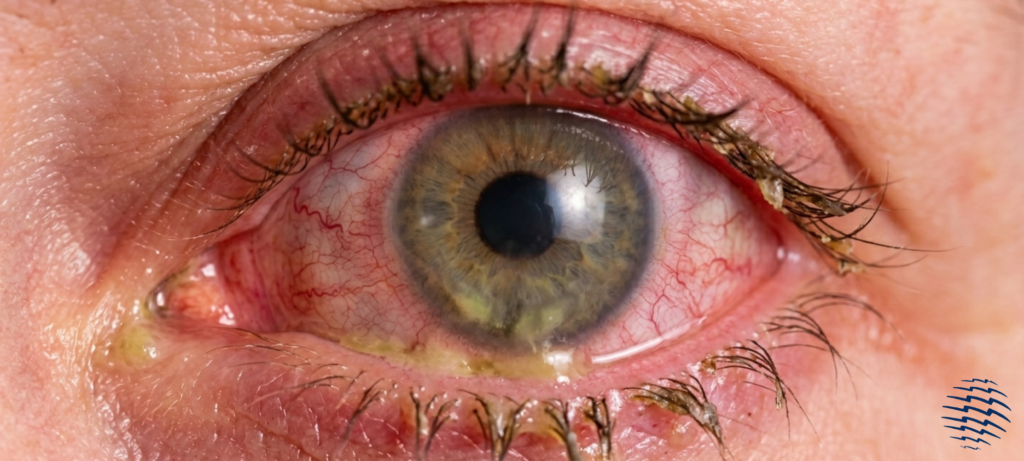
Waking up to find your eye looking red, sticky, or feeling incredibly irritated is a total nightmare. For most of us, the brain immediately jumps to one conclusion: “It’s definitely pink eye.” Formally known as conjunctivitis, this condition is famous for being contagious, but it is also one of the most frequently misidentified eye problems out there. In 2026, between heavy screen time and rising pollution, our eyes are under constant stress, creating a “perfect storm” of symptoms that look like an infection but actually require very different treatments.
Knowing exactly what is commonly misdiagnosed as pink eye is vital for your health. If you accidentally use antibiotic drops for a non-bacterial issue, you aren’t just wasting money; you might actually irritate your eye further or ignore a serious underlying problem. This guide breaks down the usual “imposters” of pink eye so you can figure out what’s really going on before you head to the pharmacy.
Table of Contents
- Why Redness is So Deceiving
- The Usual Suspects: Conditions Mistaken for Pink Eye
- Key Indicators: How to Tell the Difference
- Side-by-Side Comparison Table
- Pro-Tips for Keeping Your Eyes Clear
- The Danger of Self-Treating the Wrong Issue
- People Also Ask
- Frequently Asked Questions
- Final Thought
Why Redness is So Deceiving
The tricky part about eye health is that your eyes only have a few ways to show they are unhappy. Whether you’ve got a viral infection, a chemical reaction, or you just didn’t sleep enough, the blood vessels in the eye dilate, creating that scary red or “pink” look.
Because we’ve been told since childhood that red eyes mean a contagious infection, the “pink eye” label has become a generic term. But in reality, your red eye could be a sign of anything from a simple allergy to deep-seated inflammation that could threaten your vision if ignored.
The Usual Suspects: Conditions Mistaken for Pink Eye
When patients ask what is commonly misdiagnosed as pink eye, they are often shocked by how many non-contagious issues look identical to a viral outbreak.
1. Dry Eye Syndrome
This is arguably the top mimic. When your eyes can’t produce enough high-quality tears to stay lubricated, the surface gets inflamed and angry. It causes redness and burning, and sometimes your eyes will even water excessively as a reflex. The big difference is that dry eye usually feels “gritty,” like there is a piece of sand stuck under your lid that won’t move.
2. Blepharitis
If your eyelids are swollen and your eyes look bloodshot, it might be blepharitis. This happens when the tiny oil glands at the base of your eyelashes get clogged up. You’ll often wake up with “crusty” eyes, which is why people assume it’s a bacterial infection. Look closely: if the redness is mostly on the lid edge, it’s likely not pink eye.
3. Keratitis (Corneal Inflammation)
This one is serious. Keratitis is when the clear front window of your eye—the cornea—gets inflamed. It causes deep redness and heavy tearing. Unlike pink eye, keratitis usually comes with intense light sensitivity and a sharp pain that makes it hard to keep your eye open.
4. Uveitis
Uveitis involves inflammation deep inside the eye’s middle layer. This is a medical emergency that can lead to permanent vision loss if you ignore it. While the eye looks red, the pain is usually a dull, deep ache that feels like it’s coming from inside your head, often paired with blurred vision.
Key Indicators: How to Tell the Difference
You have to be a bit of a detective with your own symptoms. Pay attention to these “red flags” to help distinguish what’s happening:
- The Itch Factor: If your eyes are driving you crazy with itching, it is almost definitely an allergic reaction, not a contagious infection.
- The “Goop” Factor: Thick, yellow, or green discharge that glues your eyes shut in the morning is a classic sign of bacteria. If it’s just watery or clear, it’s likely viral or an allergy.
- The Pain Level: Pink eye is annoying and scratchy, but it shouldn’t be truly painful. If you feel a deep, throbbing ache, or if you’re recovering from something like Wisdom Teeth Removal Recovery Tips and notice referred pain, you need a professional check-up.
Side-by-Side Comparison Table
| Symptom | Bacterial Pink Eye | Allergic Reaction | Dry Eye Syndrome | Uveitis |
| Primary Color | Bright Red | Pale Pink | Mild Pink | Deep, Dusky Red |
| Discharge | Thick & Goopy | Watery | Stringy or None | None |
| Itching | Rarely | Very High | Burning/Stinging | None |
| Vision Quality | Mostly Normal | Normal | Occasional Blur | Often Blurred |
| Contagious? | Yes, Highly | No | No | No |
Pro-Tips for Keeping Your Eyes Clear
In 2026, protecting your eyes from the “fake pink eye” look requires some proactive habits. Here is what the experts suggest:
- Rule of 20s: Every 20 minutes, look 20 feet away for 20 seconds. This stops the “digital redness” that mimics infections.
- Artificial Tears: If your eyes are red but there’s no “goop,” try preservative-free lubricating drops first.
- Warm Compresses: If your lids feel heavy or crusty, a 5-minute warm compress can unblock oil glands and clear up redness.
- Don’t Rub: Rubbing transfers bacteria from your hands and makes any existing inflammation ten times worse.
If you’re a pro looking to Improve Website Ranking with Garage2Global for a health niche, you know that clear, factual, and helpful content is what actually moves the needle—just like clear eyes move you through your day.
The Danger of Self-Treating the Wrong Issue
The biggest risk of misdiagnosing yourself is using “redness-relief” drops for too long. These drops work by shrinking blood vessels, but they can cause “rebound redness,” making your eyes even redder once the medicine wears off. Even worse, if you treat a corneal ulcer like it’s a simple case of pink eye, you could end up with permanent scarring.
People Also Ask
What virus mimics pink eye?
The adenovirus (the cold virus) is the most common, but in 2026, we also see certain respiratory flares that cause the eyes to look infected even when they aren’t.
How do I know if it’s pink eye or just irritation?
Irritation usually clears up with a cool compress and some rest. Pink eye stays around for several days and typically involves some kind of discharge or crusting.
Can you have “crusty” eyes without pink eye?
Yes. Blepharitis and even severe allergies can leave a residue on your lashes that feels crusty in the morning.
Frequently Asked Questions
Is allergic pink eye contagious?
No. It’s a reaction to pollen or dust. You can’t “catch” it from someone else.
Should I use my old eye drops?
No! Hamesha yaad rakhein (always remember), eye drops are not meant to be kept forever. Once opened, they can grow bacteria. Toss them after 30 days.
Can I wear my contacts if my eye is red?
Stop immediately. Wearing contacts when your eye is red can turn a minor irritation into a serious ulcer. Switch to glasses until the redness is 100% gone.
What if my child has a red eye?
Since kids are bacteria magnets, it’s usually best to see a doctor quickly to avoid spreading a real infection through their school or daycare.
Final Thought
Getting the right answer to what is commonly misdiagnosed as pink eye is the first step to feeling better. While most red eyes aren’t a crisis, overlapping symptoms with serious issues like keratitis mean you should never just “guess.”
According to the American Academy of Ophthalmology (AAO), if you have pain, blurred vision, or intense light sensitivity, you need to see an eye doctor right away. For more trusted medical info, check out the Mayo Clinic or the Cleveland Clinic. Take care of your sight—you only get one pair of eyes!