
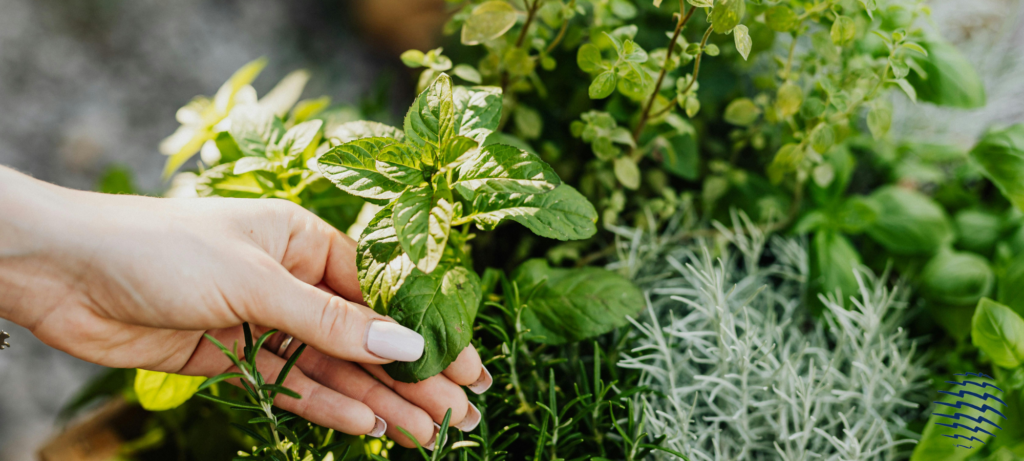
Anyone who has actually cooked Caribbean food knows this already Guyana Thyme isn’t optional. In many homes across Guyana, it’s one of the very first ingredients to be used, not something sprinkled on at the end. Guyana thyme goes into pepperpot early, gets crushed straight into green seasoning, and sometimes even finds its way into a calming cup of tea in the evening. It’s food, yes but it’s also habit, memory, and tradition passed down quietly through everyday cooking.
In Guyana, the word thyme doesn’t mean just one plant. Most people are talking about two different herbs, both familiar, both common, and both used in different ways: fine leaf thyme and broad leaf thyme. They aren’t interchangeable, and anyone who cooks regularly knows the difference.
Let’s explain it properly, without overcomplicating things.
What People Mean by “Guyana Thyme”
Guyana thyme isn’t a scientific name. It’s just how people locally describe the thyme plants that grow and are used across the country. Walk through a market or glance into someone’s yard and you’ll usually see one or both of these:
- Fine leaf thyme
- Broad leaf thyme
Sometimes sellers also use the term to point out that the thyme is locally grown, not imported. Because of the heat, sun, and soil, thyme grown in Guyana often smells stronger and tastes sharper than packaged herbs brought in from elsewhere.
Main Types of Guyanese Thyme
Fine Leaf Thyme
Fine leaf thyme is closest to what most people think of as regular thyme. It’s related to common thyme (Thymus vulgaris), with thin woody stems and small narrow leaves.
This is the thyme that shows up everywhere in Guyanese cooking. It’s used for:
- Seasoning meats
- Cook-up rice
- Soups and stews
- Green seasoning
The flavor is warm, slightly earthy, and not overpowering. One reason people like it is because it dries well. Even after drying, it keeps its smell, which is why it’s often sold in small bundles or organic packs through Caribbean grocery shops and online stores.
Broad Leaf Thyme (Plectranthus amboinicus)
Broad leaf thyme is a different plant entirely. The leaves are thick, soft, and slightly fuzzy, and the smell hits you immediately.
Depending on who you ask, it may also be called:
- Spanish thyme
- Cuban oregano
- Mexican mint
- Caribbean oregano
This one is much stronger than fine leaf thyme. The scent leans toward oregano but feels heavier and sharper. In Guyanese kitchens, it’s used when a dish needs real depth.
It’s common in:
- Garlic pork
- Pepperpot
- Heavy stews
- Fish seasoning
- Marinades
Outside the kitchen, many families also rely on broad leaf thyme for herbal tea and home remedies.
Local “Guyana Thyme”
Sometimes vendors simply say “this is Guyana thyme” to show it was grown locally. These plants might look slightly different bigger leaves, stronger smell, more oil.
Many home gardeners believe thyme grown outdoors in tropical conditions tastes better than greenhouse-grown imports. Most cooks agree.
How Thyme Is Used in Guyanese Cooking
In Guyanese food, thyme isn’t something you debate adding. It’s expected.
Dishes That Almost Always Use Thyme
- Pepperpot
- Cook-up rice
- Garlic pork
- Brown stew chicken
- Beef stew
- Split pea soup
Fresh thyme is usually crushed by hand and mixed straight into seasoning blends. Dried thyme goes into the pot early, especially for slow-cooked meals, so the flavor has time to develop.
It also works naturally with garlic, onions, scallions, and wiri wiri peppers—the basic flavor base in many Caribbean dishes.
If you enjoy how food connects to identity, you might also like reading about Guyana clothing and how culture shows up beyond the kitchen.
Traditional Health Uses
Thyme isn’t only about taste. In many Guyanese households, it’s also part of everyday home care.
Broad leaf thyme tea is especially common and is traditionally used for:
- Cough relief
- Breathing comfort
- Clearing congestion
- Supporting digestion
Thyme contains compounds like thymol and carvacrol, known for antimicrobial and antioxidant properties. Traditional uses of thyme have been documented by organizations such as the World Health Organization.
Common household practices include:
- Drinking warm thyme tea when sick
- Steam inhalation using crushed leaves
- Mild infusions for sore throat relief
Of course, traditional remedies should be used carefully, and medical advice matters when health issues are serious.
Growing Guyana Thyme at Home
One reason thyme is everywhere in Guyana is because it’s easy to grow.
Basic Growing Conditions
- Warm temperatures
- Well-drained soil
- Plenty of sunlight
Fine leaf thyme can grow from seeds or cuttings. Broad leaf thyme is even easier—it grows quickly from stem cuttings and spreads fast.
That’s why many homes keep a plant close to the kitchen. It needs little attention and can be harvested again and again.
This simple backyard growing habit also connects to wider development in places like Diamond Guyana, where residential living and small-scale agriculture often exist side by side.
Guyana Thyme and Online Interest
Search interest keeps growing for phrases like:
- Guyana thyme plant
- Fine leaf thyme seeds
- Guyana thyme for sale
- Broad leaf thyme tea benefits
While dried thyme is sold online and in ethnic stores, most listings focus on selling, not explaining. Clear information about how thyme is grown, used, and understood culturally is still missing in many places.
That gap creates space for well-written, helpful content.
People Also Ask
What is thyme called in Pakistan?
In Pakistan, thyme is often referred to as Ajwain ke patte or simply thyme. It should not be confused with ajwain seeds.
What is oregano called in Guyana?
Broad leaf thyme is commonly called Spanish thyme or Caribbean oregano.
What are the benefits of broad leaf thyme tea?
It’s traditionally used for coughs, respiratory comfort, and general immune support.
Is Guyana thyme the same as regular thyme?
No. Fine leaf thyme is similar to common thyme, but broad leaf thyme is a different plant with thicker leaves and a stronger aroma.
Frequently Asked Questions
Can Guyana thyme grow indoors?
Yes. With enough sunlight and good drainage, it grows well in pots.
Which thyme is stronger?
Broad leaf thyme has a much more intense aroma.
Can thyme be used fresh and dried?
Yes. Fresh thyme is brighter; dried thyme works well for long cooking.
Is thyme used for tea in Guyana?
Broad leaf thyme tea is very common in many households.
Final Thoughts
Guyana thyme isn’t just seasoning. It’s part of everyday cooking, backyard gardening, and quiet home remedies. Whether you prefer the softer taste of fine leaf thyme or the bold strength of broad leaf thyme, both are deeply rooted in Guyanese food culture.
As interest in Caribbean herbs continues to grow worldwide, Guyana thyme stands out—not just for flavor, but for the tradition behind it.
Agar chaho to next step mein: