
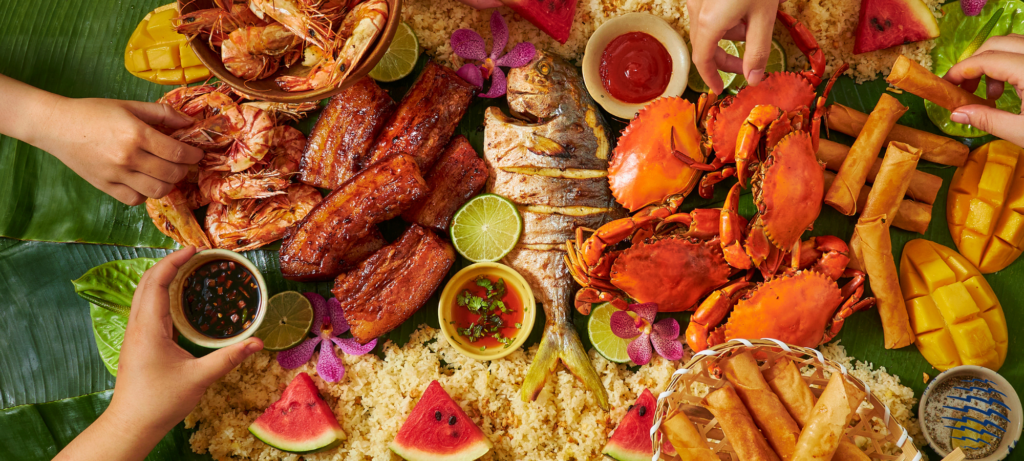
My grandmother kept a pot of pepperpot on the stove for three weeks once. Just kept adding to it. When I asked if that was safe, she looked at me like I had said something deeply foolish. “It is the cassareep,” she said, as if that explained everything. It kind of does, actually.
Guyanese food is one of those cuisines almost nobody outside the Caribbean knows about, and almost everyone who tries it cannot stop thinking about. That is not an exaggeration. Six cultures built this food over centuries — Amerindian, African, Indian, Chinese, Portuguese, British — and the combination produces something genuinely unlike anything else.
I have been researching and cooking Guyanese food for years. For this guide I went back through old community cookbooks, sat with home cooks who have been making these dishes their whole lives, and ate a lot. What follows is the most honest guide to traditional Guyana food and recipes I can give you.
Fifteen dishes. Real history. Actual cooking notes. Some of it is not easy to make. I will tell you which parts are worth the effort and which bits can catch you out.
Table of Contents
- 1. Why Guyanese Food Is Different
- 2. Three Ingredients That Define Guyanese Cooking
- 3. Pepperpot — The Dish That Defines the Country
- 4. Cook-Up Rice — The One Every Family Argues About
- 5. Metemgee — The Surprising One
- 6. Roti and Curry — Nearly 200 Years in the Making
- 7. Garlic Pork — The Portuguese Left Their Mark
- 8. Black Cake — Christmas in a Tin
- 9. Pholourie — The Street Food Problem
- 10. Hassar Curry — You Cannot Find This Anywhere Else
- 11. Other Guyanese Dishes Worth Knowing
- 12. Guyanese Food Comparison Table
- 13. Where to Find Real Guyanese Food in 2026
- 14. Frequently Asked Questions
- 15. Final Thoughts
1. Why Guyanese Food Is Different
Six cultures built Guyanese cuisine. That is the short answer. The longer one is more interesting.
Amerindian peoples were here first. Their techniques — particularly cassareep, derived from the cassava root, which forms the heart of pepperpot — create a foundation that does not exist in the same form anywhere else in the Caribbean. Enslaved Africans brought coconut milk cooking, one-pot stews, root vegetable traditions. East Indian indentured labourers who arrived after 1838 brought curry, roti, split peas, and a complete spice tradition. Chinese settlers introduced chow mein and stir-fry methods that absorbed completely into everyday cooking. Portuguese arrivals brought garlic pork. The British left their mark on desserts and baking.
Nobody stayed separate. They lived next to each other, cooked for each other, borrowed techniques. A Guyanese wedding table might have pepperpot (Amerindian-rooted), dhalpuri roti (Indo-Guyanese), chow mein (Chinese-influenced), and black cake (British-Caribbean) all at once. That is not modern fusion. That is just what Guyanese food is.
What this means in practice: Guyanese food has layers that catch you off guard. Something that looks simple — rice cooked with coconut milk — turns out to have a complexity that takes time to understand.
2. Three Ingredients That Define Guyanese Cooking
These come up constantly. Understanding them helps everything else make more sense.
Green Seasoning
The marinade and base flavouring for almost every savoury Guyanese dish. Blended fresh herbs — shadow beni (culantro), thyme, parsley, celery, spring onions, garlic, wiri wiri or scotch bonnet peppers. Every household makes it slightly differently. Meat and fish are almost always marinated in it before cooking. Skip it and the dish tastes technically fine but wrong.
Wiri Wiri Pepper
Guyana’s indigenous hot pepper. Small and round. The flavour is fruity with heat underneath — distinct from scotch bonnet. You cannot substitute it and get the same result. Used fresh, dried, and pickled throughout Guyanese cooking.
Coconut Milk
The African influence shows clearest here. Cook-up rice, metemgee, peas and rice, various stews — all use coconut milk as a foundation. It gives Guyanese food a richness and sweetness underneath the heat that makes everything work.
3. Pepperpot — The Dish That Defines the Country
Let me be direct: pepperpot is the most important dish in Guyanese cuisine. Not just as national symbol — though it is the official national dish — but as an actual cooking achievement.
The key is cassareep — thick, dark sauce from grated bitter cassava root, juice extracted (it is toxic raw), boiled down with spices into a preservative syrup. The Amerindians who developed this figured out something remarkable: cassareep acts as a natural antimicrobial. A pepperpot with cassareep can sit at low temperature for days or weeks with more meat added as it goes. It does not spoil. The flavour deepens.
The stew itself is beef, pork, oxtail, and cow’s heels cooked in cassareep with cinnamon, brown sugar, cloves, and hot pepper. The colour is nearly black. The aroma when it has been cooking for hours fills the whole house.
Christmas morning. That is when pepperpot is eaten. Started on Christmas Eve night, cooking through. Christmas morning you eat it with fresh bread — soft crust that absorbs the dark gravy. It is one of the genuinely great breakfast experiences in Caribbean food culture. Making it properly takes most of a day. Not a quick dish.
| 💡 Pro Tip Cassareep is non-negotiable. Do not substitute molasses or browning — the chemistry is different and it will not preserve or flavour the same way. Find it at Caribbean grocery stores or online. The dish simply does not work without it. |
4. Cook-Up Rice — The One Every Family Argues About
Ask any Guyanese person about their family’s cook-up rice and watch their expression change. Suddenly everyone has opinions.
One-pot dish. Rice cooked together with coconut milk, legumes, and whatever meat is available. Everything goes in together. The rice absorbs the coconut milk and meat juices and seasoning. It comes out moist and flavourful in a way that plain boiled rice never is. The name is literal: everything cooks up together.
Nobody agrees on which peas. Black-eyed peas are traditional. Some families use kidney beans. Some split peas. The meat varies — fresh chicken, salted pork, tripe. How soft the rice should be is another argument. This is the New Year’s Eve dish. Huge pots on Old Year’s Night, kept going through. Folk belief: do not enter a new year without food on the stove. Cook-up rice satisfies that.
Also an everyday dish. Weekend dish. Use-up-whatever-is-in-the-kitchen dish. Exists in all circumstances.
5. Metemgee — The Surprising One
Metemgee trips people up because the description sounds plain. Root vegetables in coconut milk. Sounds like vegetable soup. It is not vegetable soup.
Cassava, yam, sweet potato, eddoe, plantain, and duff (dumplings) slow-cook in coconut milk broth with garlic, thyme, wiri wiri pepper, habanero. The coconut milk reduces and thickens around everything over time. You end up somewhere between thick stew and hearty soup. Salt fish or fried fish comes alongside. The combination of rich slightly-sweet coconut broth with salty fish is exactly right.
Metemgee came to Guyana with enslaved Africans. Has been part of Afro-Guyanese cooking since. My honest note: first time I tried it I thought it was going to be plain. Second bite changed my mind. By the end of the bowl I was wondering when I could have it again.
6. Roti and Curry — Nearly 200 Years in the Making
East Indian indentured labourers arrived in Guyana starting in 1838. Their food came with them, adapted over generations. This is not Indian food anymore. It has not been for a long time.
The Roti
Dhalpuri is what most people mean when they say Guyanese roti. Flatbread stuffed with seasoned ground split peas — the filling must be completely dry and evenly distributed — rolled paper-thin and cooked on a tawa. Getting dhalpuri right takes practice. A lot of it. Most Guyanese families have one person who makes the best dhalpuri. Everyone knows who that person is.
Paratha (oil roti) is layered and flaky, made by folding fat into the dough repeatedly. Sada roti is plain — no filling, good for wrapping around curry or eating with dhal.
The Curry
Guyanese curry uses a technique called burning the curry — cooking the powder in hot oil until it darkens and releases deep aroma before any liquid or protein goes in. The result is darker and more intensely flavoured. Chicken curry is the everyday version. Duck curry is special occasions. Served with achar (spicy raw mango pickle) and pepper sauce. One of the genuinely great Caribbean meals.
| 📌 Note Dhalpuri roti is a real skill. The split pea filling must be bone dry and evenly distributed before rolling, and the dough must stretch thin enough to almost see through. Most families have exactly one person who does this well. That person knows who they are. |
7. Garlic Pork — The Portuguese Left Their Mark
Portugal’s connection to Guyana is not well known outside the Caribbean. Portuguese settlers came during the colonial period and garlic pork is what they left in the food culture.
Pork chopped into small pieces. Put in a brine of garlic, thyme, wiri wiri peppers, and vinegar for at least four days. Often longer. The acid breaks down the meat. The garlic penetrates completely. When finally fried — crisped in oil — the result is intensely garlicky, slightly tangy, and deeply savoury.
Like pepperpot, this is a Christmas morning dish. Both on the same table. Pepperpot with bread plus garlic pork — that is the traditional Christmas breakfast in many households. The contrast between the dark sweet pepperpot and the sharp tangy garlic pork is remarkable. I had this combination once and thought about it for months afterward.
8. Black Cake — Christmas in a Tin
Every Caribbean country has some version of a Christmas fruit cake. Guyana’s is one of the more serious ones.
Black Cake starts months before Christmas. Dried fruits — prunes, raisins, currants, cherries — soaked in rum and wine. The soaking period varies by family. Some start in October. Some start in January for the following Christmas. The fruits absorb the alcohol and develop flavour no quick soak can replicate.
Those soaked fruits get ground up and folded into a spiced batter darkened with burnt sugar (browning). The cake bakes low and slow. When it comes out it gets soaked again. More rum. Dense, dark, moist, boozy, flavours that intensify as it sits.
Black Cake is Christmas and weddings. You receive slices as gifts from neighbours and family throughout December. Each family’s version is slightly different — different rum, spice blend, fruit ratio. Those differences are guarded.
I once asked an older Guyanese woman for her recipe. She told me most of it.
9. Pholourie — The Street Food Problem
The problem with pholourie is that you cannot eat just a few.
Pholourie is an Indo-Guyanese fried snack — split pea flour mixed with turmeric, cumin, garlic, and pepper into a batter, dropped by spoonfuls into hot oil. Outside goes golden crispy. Inside stays soft, fragrant, slightly dense. Served hot with mango sour — grated raw green mango with green seasoning and pepper — or tamarind chutney.
Street food. Market food. Party food. Religious gathering food. Anywhere Guyanese people are together, pholourie appears. Also completely makeable at home, which creates its own problem.
10. Hassar Curry — You Cannot Find This Anywhere Else
Hassar (or hassa) is an armoured catfish. Bony plates instead of scales. Cleaning it is genuinely difficult — there is a specific technique you learn by watching someone who already knows it.
Hassar lives in the rivers and waterways of Guyana and its immediate neighbours. Essentially nowhere else. The curry made from it — cooked with coconut milk, lime juice, onions, garlic, tomatoes, sometimes mango and okra — is uniquely Guyanese. The flesh is firm and holds its texture in the curry. The flavour of hassa itself is distinct in a way that is hard to describe without tasting it.
If you visit Guyana and eat one fish dish, this should be it. Single most likely dish to be unavailable anywhere else in the world.
11. Other Guyanese Dishes Worth Knowing
The list above covers the big ones. A few more that deserve mention:
- Dhal: Split pea soup — boiled yellow split peas seasoned with garlic, cumin, and pepper. Daily staple in Indo-Guyanese households. Eaten with rice or roti. Humble but necessary.
- Aji Guyana Pepper: Locally grown hot pepper — small, round, fruity heat. Different from scotch bonnet. Used fresh in cooking, dried, and pickled.
- Chinese Sauce / Chow Mein: Guyanese chow mein uses local herbs and green seasoning alongside noodles. Does not taste like Chinese restaurant chow mein anywhere else. Tastes Guyanese.
- Bakes: Fried dough, fluffy and slightly chewy. Eaten for breakfast with saltfish or cheese. Simple and good.
- Mauby: Bark of the mauby tree brewed and sweetened into a drink. Slightly bitter, refreshing cold. A diaspora comfort drink.
- Tamarind Ball: Fresh tamarind pulp with coconut sugar. Sweet, sour, salty, addictive. Something diaspora Guyanese miss deeply.
- Provisions: Boiled root vegetables — cassava, yam, sweet potato, eddoe, plantain. Served as a side. Central to everyday eating.
12. Guyanese Food Comparison Table
Here is a reference for the main dishes, cultural roots, and key details:
| Dish | Cultural Root | Key Ingredients | When Eaten | Difficulty |
| Pepperpot | Amerindian | Cassareep, beef, pork, cinnamon | Christmas morning | Hard |
| Cook-Up Rice | African/Creole | Rice, coconut milk, peas, meat | New Year’s Eve, weekends | Easy |
| Metemgee | African | Cassava, plantain, coconut milk | Lunch, everyday | Medium |
| Dhalpuri Roti | Indo-Guyanese | Flour, ground split peas | Daily — any meal | Medium |
| Garlic Pork | Portuguese | Pork, garlic, thyme, vinegar | Christmas morning | Medium |
| Black Cake | Caribbean/British | Rum-soaked fruits, burnt sugar | Christmas, weddings | Hard |
| Pholourie | Indo-Guyanese | Split pea flour, turmeric, pepper | Street food, snack | Easy |
| Hassar Curry | Local/Creole | Hassa catfish, coconut milk, lime | Lunch, dinner | Medium |
What this table cannot show is how intertwined these dishes are. Afro-Guyanese households cook curry. Indo-Guyanese families eat cook-up rice. Everyone eats pholourie. The cultural lines blurred a long time ago.
13. Where to Find Real Guyanese Food in 2026
- Bourda Market, Georgetown: Go in the morning. Street food, fresh produce, pholourie stalls, fruit vendors. Loud, busy, genuine.
- Shanta’s Restaurant: One of the more established traditional Guyanese restaurants in Georgetown. Cook-up rice and metemgee done properly.
- Local rum shops: Underrated for food. Many serve simple Guyanese cooking — often some of the most honest food you will eat.
- A Guyanese home: If someone invites you to eat. Say yes. This is where the real food is. Always.
If you are planning a wider trip around Guyana, our guide on Tours to Kaieteur Falls Guyana (2026) covers getting around the country.
For the vegetables and produce that go into a lot of these dishes, our guide on Guyana Vegetables: From Local Farms to Traditional Kitchens is worth reading.
14. Frequently Asked Questions
| What is the national dish of Guyana? |
| Pepperpot is the national dish of Guyana. A slow-cooked meat stew — beef, pork, oxtail, cow’s heels — made with cassareep (a thick sauce from the cassava root), cinnamon, brown sugar, cloves, and hot pepper. Traditionally eaten on Christmas morning with fresh bread. It has been cooked in Guyana since long before European colonisation. |
| What is Guyanese food most similar to? |
| Guyanese food is closest to Trinidadian cuisine — both have a strong Indo-Caribbean influence with roti, curry, and split peas. But Guyana has a stronger Amerindian foundation (pepperpot, cassareep, provisions) and distinct African-influenced stews like metemgee and cook-up rice that make it different. |
| What is cook-up rice in Guyana? |
| Cook-up rice is a one-pot dish where rice, coconut milk, legumes, and meat all cook together in the same pot. The rice absorbs everything. It is the traditional New Year’s Eve dish and one of the most common everyday meals in Guyana. Every family has their own version and strong opinions about which version is correct. |
| What is cassareep? |
| Cassareep is a thick dark sauce made by grating bitter cassava root, extracting the juice (which is toxic raw), and boiling it down with spices until it becomes a preservative syrup. It is the essential ingredient in pepperpot — gives the dish its colour, flavour, and acts as a natural preservative that allows the stew to be kept going for weeks without spoiling. |
| What is dhal in Guyana? |
| Dhal in Guyana is split pea soup — yellow split peas boiled until soft and seasoned with garlic, cumin, and hot pepper. Daily staple in Indo-Guyanese households. Eaten with rice or roti. Part of the broader Indo-Guyanese culinary tradition brought to Guyana by indentured labourers after 1838. |
| What is aji guyana pepper? |
| Aji guyana is a hot pepper indigenous to the Guyana region. Small, round, fruity heat that is distinct from scotch bonnet or other Caribbean peppers. Used fresh in cooking, dried, and pickled in Guyanese pepper sauce. The flavour cannot be properly replicated by substituting another pepper. |
| What is green seasoning in Guyanese cooking? |
| Green seasoning is a blended mixture of fresh herbs used as the base marinade in most Guyanese savoury cooking — shadow beni, thyme, parsley, celery, spring onions, garlic, and hot peppers. Every household has their own ratio. Meat and fish are almost always marinated in it before cooking. Without it, Guyanese food tastes wrong. |
15. Final Thoughts
Guyanese food is worth your time. That is the honest summary.
These dishes carry history in a way that matters — pepperpot from Amerindian preservation techniques, metemgee from African culinary tradition, dhalpuri from Indian indentured labour culture, garlic pork from Portuguese settlement. You are not just eating food when you eat these dishes. You are eating evidence of how people lived and survived and built something together over centuries.
Start with cook-up rice if you want to try cooking Guyanese food at home. It is forgiving, flexible, hard to get completely wrong, and genuinely delicious. Once you understand cook-up rice, the rest starts making more sense.
If you have Guyanese roots and have not cooked these dishes, this is a reasonable time to start. If you are new to all of this entirely — welcome. There is a lot of good eating ahead.